
Lubrication Management for Railway Traction Motors: Bearing Temperature, Vibration, and Service Life
Traction motor bearings operate under high rotational speeds and thermal loads. Evaluating bearing temperature, vibration, and grease condition together can help identify lubrication problems, improve operational reliability, and support maintenance planning.
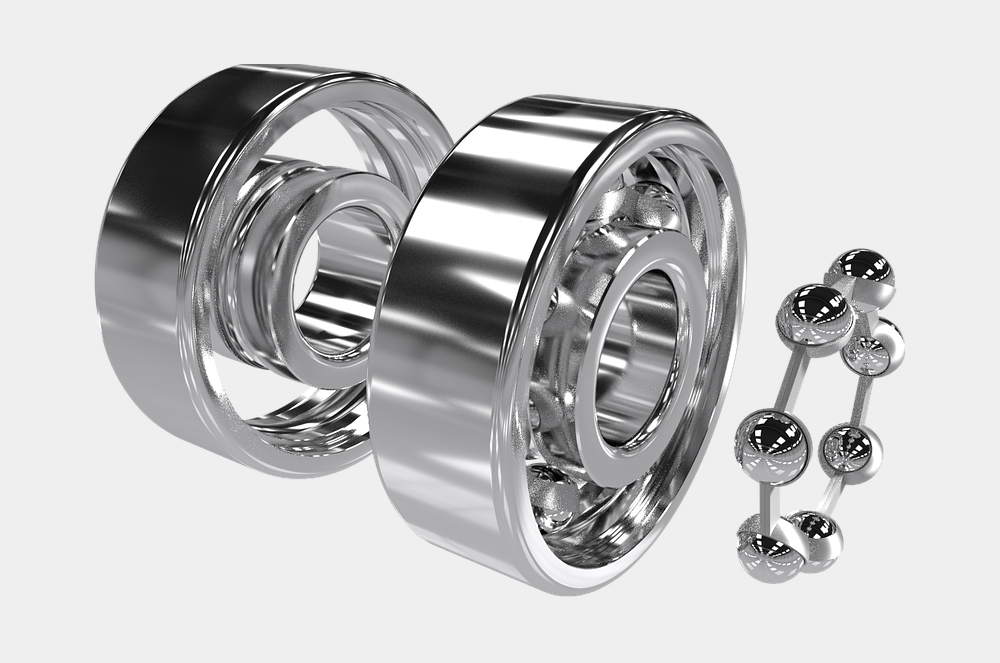
Traction motors are essential components of railway propulsion systems, and bearing condition directly affects vehicle reliability and maintenance costs. Under high-speed and continuous operating conditions, grease must maintain a stable lubricating film while providing suitable mechanical stability, adhesion, and temperature performance. Incorrect grease selection or filling quantity can affect bearing temperature and service life.
A traction motor case reproduced by Lubpur describes a high-speed train project in which motor bearings experienced overheating and severe vibration when train speed exceeded 160 km/h during initial testing. The engineering team reassessed the grease and adjusted the lubrication approach through further testing. The case report states that the temperature and vibration problems improved after the grease change, allowing subsequent high-speed testing to proceed. It illustrates why lubrication should be considered during bearing failure analysis rather than focusing solely on mechanical design.
Routine maintenance should assess bearing temperature trends, vibration changes, grease leakage, and lubricant condition together. Excessive grease can increase churning losses and heat, while insufficient lubrication, grease degradation, or material incompatibility may weaken the lubricating film and accelerate wear. Grease type, quantity, and relubrication intervals should follow the equipment manufacturer’s requirements.
Consistent lubricant selection, controlled filling quantities, temperature and vibration monitoring, and review of maintenance records can improve early fault identification. The appropriate lubrication approach must still be validated against bearing design, rotational speed, temperature, and actual operating conditions. Results from an individual case should not be assumed to apply to every traction motor.