Jet-Lube Lubricants for Offshore Drilling|Equipment Protection, Corrosion Resistance and Operational Reliability
Offshore drilling equipment faces saltwater, moisture, temperature fluctuations and heavy loads. Jet-Lube offers drilling compounds, lubricants and protective products designed for demanding applications, supporting wear control, corrosion protection and equipment reliability.
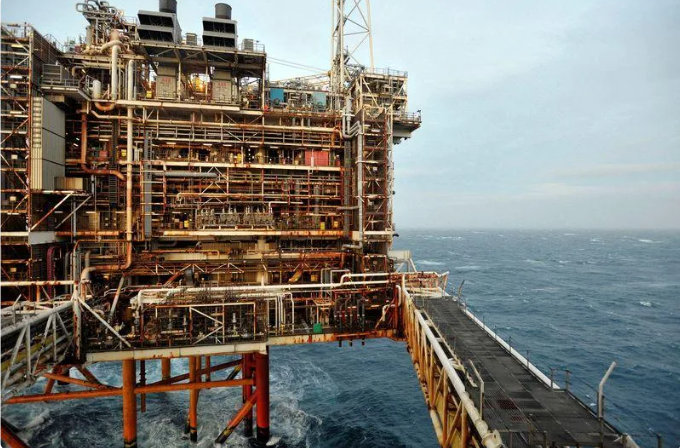
Offshore drilling relies on the continuous operation of drill-string connections, drilling tools, valves and auxiliary equipment. Salt spray, seawater, moisture and mechanical loads can increase the risk of thread wear, metal galling and corrosion. Effective maintenance therefore requires suitable lubrication, connection protection and consideration of actual operating conditions.
Jet-Lube supplies the oil and gas industry with drilling compounds, thread lubricants and anti-seize products, extreme-pressure greases, valve lubricants, sealants and related maintenance materials. For components such as drill collars, tool joints and tubing, suitable thread compounds help manage friction during make-up and can reduce wear and galling risks associated with metal-to-metal contact. They can also support subsequent disassembly and maintenance. Actual performance depends on the formulation, connection design and operating conditions.
In offshore and marine environments, saltwater and persistent moisture can accelerate corrosion and affect lubricant retention. Selected Jet-Lube marine lubricants and protective products are designed to address requirements such as saltwater resistance, oxidation control and temperature variation. They may be used in the maintenance of suitable vessels and supporting equipment. Water resistance, corrosion protection and operating temperature ranges vary by product and should be verified for the intended application.
A well-managed lubrication program can help reduce unplanned maintenance, extend component service life and support reliable offshore operations. Product selection and use should follow equipment manufacturer requirements, current technical documentation and site conditions, including the appropriate product grade, application method and maintenance interval.