Lubricating Worm Gear Drives: Viscosity, Temperature, and Material Compatibility
Worm gear drives involve substantial sliding contact, making lubricant selection critical to film formation, heat control, and material protection. Viscosity, operating temperature, load, and compatibility with metals and seals must all be considered to help reduce wear and maintain reliable operation.
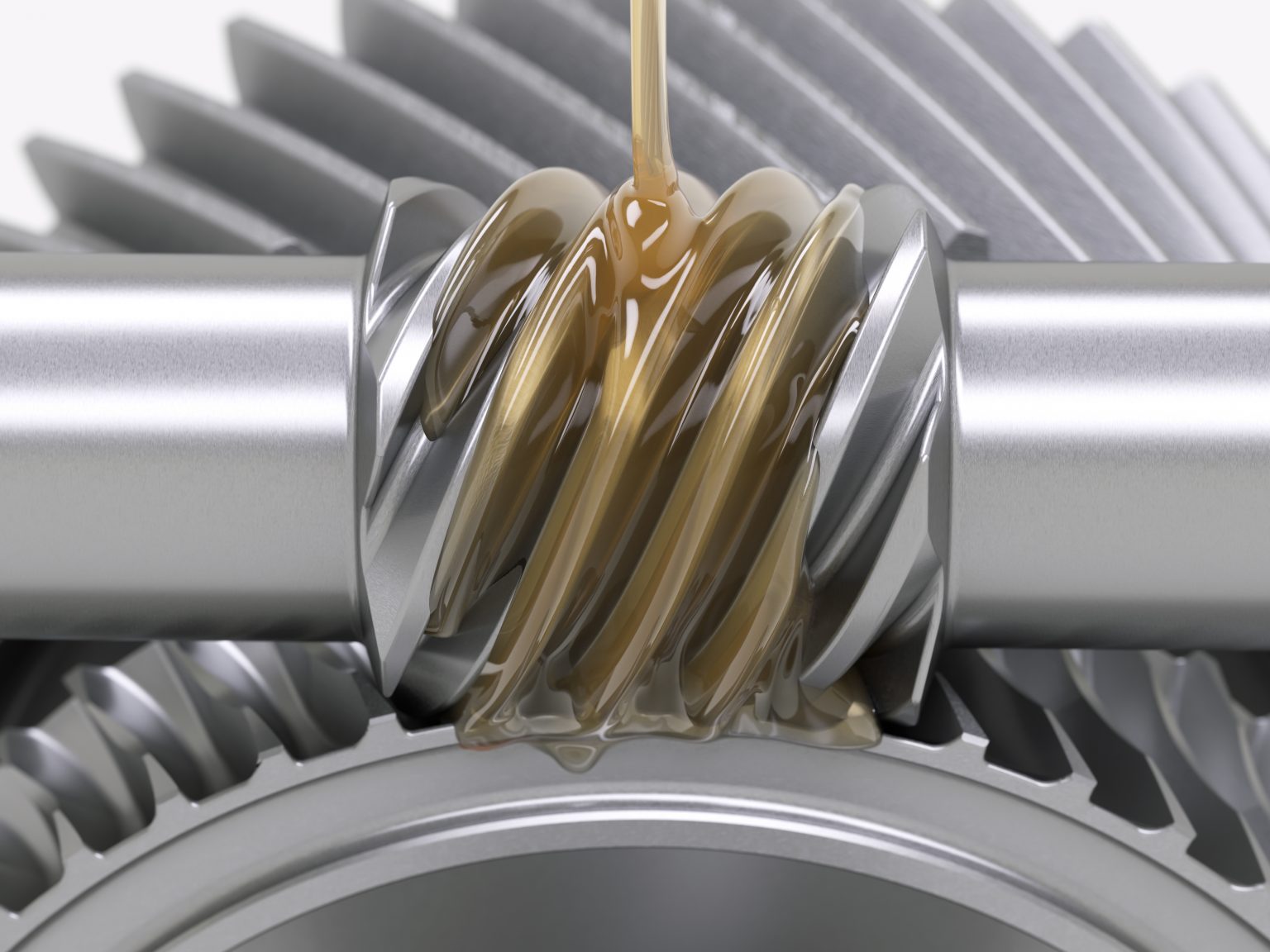
Worm gear drives are widely used in industrial speed reducers and machinery. Unlike gear systems dominated by rolling contact, worm drives involve substantial sliding friction, which generates heat and places greater demands on lubricant film stability. Lubricant selection therefore requires more than choosing a viscosity grade; the drive design and actual operating conditions must also be considered.
Viscosity affects film thickness, friction losses, and lubricant flow. Excessive viscosity may increase churning resistance and energy consumption, while insufficient viscosity may fail to provide adequate protection under heavy contact loads. Operating temperature also changes viscosity. High temperatures can accelerate oxidation, while low temperatures may affect starting performance and lubricant delivery.
Material compatibility is equally important. Some worm wheels are made from copper alloys, which may react adversely with certain extreme-pressure additives. Seals, coatings, and other internal materials should also be considered. Selection should be based on the equipment manufacturer’s requirements, gear materials, load, speed, temperature range, and compatibility with sealing materials.
Correct lubricant selection, regular condition checks, and operating-temperature monitoring can help control wear and abnormal heating. Where operating conditions vary significantly or shock loads occur, lubrication intervals and maintenance procedures should be reviewed against the equipment manufacturer’s guidance.