Industrial Anti-Seize Selection Guide: Functions, Types and Applications
Anti-seize compounds help protect threaded fasteners and metal contact surfaces against seizure, galling, rust, and corrosion. This article explains their functions, common formulations, and key selection criteria for industrial maintenance. By evaluating operating temperature, material compatibility, chemical exposure, and regulatory requirements, maintenance professionals can select suitable products for manufacturing, oil and gas, mining, and other demanding applications.
1. What Is Anti-Seize?
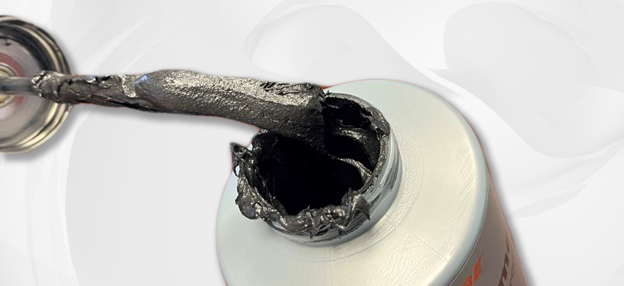
Anti-seize is a paste-like lubricating and protective compound used on threaded fasteners and other metal contact surfaces. It typically contains a base medium, thickening components, and metallic or non-metallic solid lubricants. When applied correctly, it forms a protective layer that helps reduce friction, galling, and seizure caused by direct metal-to-metal contact.
During equipment assembly, operation, and maintenance, anti-seize compounds provide several important functions:
Preventing thread seizure: Helping reduce the risk of galling and sticking during fastener assembly and removal.
Reducing rust and corrosion: Helping protect metal contact surfaces against moisture and corrosive environments.
Reducing friction: Improving friction conditions during fastener installation and disassembly.
Supporting maintenance: Reducing the likelihood of fasteners becoming difficult to remove and helping avoid unnecessary repair work.
Anti-seize changes the friction conditions of a threaded connection and can therefore affect the bolt preload generated at a given tightening torque. For critical fasteners, the tightening torque should be recalculated using the applicable friction coefficient or Nut Factor supplied for the specific product, in accordance with equipment manufacturer requirements.
2. How to Select the Right Anti-Seize
Anti-seize products differ in their solid additives, temperature capabilities, material compatibility, and electrical conductivity. Selection should take the following factors into account.
2.1 Operating Temperature
Fasteners may experience different temperatures during installation, operation, and maintenance. Some anti-seize compounds are intended for general industrial applications, while others are formulated for high-temperature service.
Check the specified temperature range and distinguish between application temperature, operating temperature, and limitations for particular static conditions. A product's advertised maximum temperature should not automatically be interpreted as suitable for every high-temperature application.
2.2 Metal Compatibility
Dissimilar metals can be susceptible to galvanic corrosion, and certain solid additives may be unsuitable for particular materials or operating environments.
For example, graphite compatibility should be carefully evaluated when stainless steel fasteners are exposed to high temperatures. For aluminum alloys, copper alloys, stainless steel, and other specialized alloys, select a compound based on the fastener material, mating metal, and actual service conditions.
2.3 Chemical Exposure and Environmental Requirements
Anti-seize may come into contact with acidic or alkaline media, process chemicals, water, and other contaminants. Verify chemical compatibility and consider applicable environmental regulations, material restrictions, and equipment cleanliness requirements.
Where metallic contamination is prohibited or non-metallic formulations are required, a non-metallic anti-seize may be considered. Its load-carrying performance and temperature range must still be confirmed.
2.4 Friction Coefficient and Tightening Torque
Anti-seize generally reduces thread friction, so the tightening torque used for an unlubricated fastener should not automatically be retained.
For critical connections, calculate the tightening torque using the specified product's Nut Factor, bolt dimensions, material strength, target preload, and equipment requirements. A friction coefficient established for one product should not be applied to another product or a different connection without verification.
3. Common Types of Anti-Seize
3.1 General-Purpose Anti-Seize
General-purpose anti-seize compounds commonly contain metallic solids such as aluminum or zinc. Some formulations also contain copper or graphite and are used for assembly and maintenance of common metal fasteners.
3.2 Copper-Based Anti-Seize
Copper-based anti-seize compounds contain copper-bearing solid lubricants, and some formulations also include graphite. They may be used where anti-seize protection and electrical conductivity are relevant to the application.
3.3 Nickel-Based Anti-Seize
Nickel-based anti-seize compounds use nickel-containing solid lubricants. Some formulations exclude copper and graphite and are intended for industrial applications requiring high-temperature anti-seize performance and specific material compatibility.
3.4 Non-Metallic Anti-Seize
Non-metallic anti-seize compounds contain no metallic solid additives and are useful where metallic contamination must be avoided or material restrictions apply. Performance depends on the base formulation and the combination of solid lubricants used.
4. Comparing Anti-Seize Types
Type | Main characteristics | Key selection considerations |
|---|---|---|
General-purpose | Suitable for many common threaded connections | Base materials, operating temperature, and general anti-seize requirements |
Copper-based | Contains copper-bearing solid lubricants and offers electrical conductivity | Metal compatibility, electrical requirements, and temperature |
Nickel-based | Suitable for certain high-temperature applications; some products contain no copper or graphite | High-temperature conditions, alloy materials, and chemical exposure |
Non-metallic | Contains no metallic solid additives | Metallic contamination restrictions, load-carrying performance, and temperature limits |
This comparison describes general product categories. Formulations, certifications, friction coefficients, and service temperatures vary by grade. Category-level characteristics should not be treated as universal specifications for every product.
5. Best Practices for Using Anti-Seize
To support reliable threaded connections and reduce maintenance risks, follow these practices:
Clean fastener surfaces to remove oil, rust, and other contaminants, and prepare them according to the product instructions.
Apply the compound evenly to the specified threads or contact surfaces, avoiding areas where lubrication is prohibited.
For critical threaded connections, determine tightening torque using the applicable product Nut Factor and equipment requirements.
Verify material compatibility before use with dissimilar metals, specialized alloys, or corrosive process media.
When changing anti-seize products, reassess the service conditions, friction coefficient, and technical requirements.
6. Conclusion
Selecting the right anti-seize helps reduce thread galling, seizure, rust, and corrosion while improving equipment assembly and disassembly. General-purpose, copper-based, nickel-based, and non-metallic compounds serve different requirements and should be selected according to operating temperature, material compatibility, chemical exposure, and fastening specifications.