Controlling Chain Wear on High-Speed Conveyors|Lubrication and Maintenance Practices
Chain wear on high-speed conveyors can affect operational reliability and increase maintenance needs. Assessing operating conditions, lubricant delivery, cleanliness, and maintenance records helps identify wear factors and improve system performance.
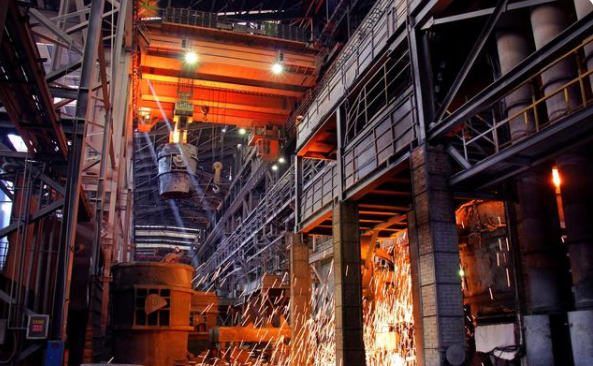
Food packaging lines often operate continuously, placing repeated motion, changing loads, and environmental contamination demands on chains and connecting components. Inadequate lubrication, poor lubricant penetration into friction points such as pins and bushings, or contamination from dust and cleaning residues can accelerate wear. This may increase chain elongation, sticking, and the risk of unplanned downtime.
A case study published by Mako-Lube describes excessive chain wear on a high-speed conveyor line at a major food packaging facility. The case title reports a 40% reduction in chain wear and identifies Food-Tek Specialist Chain Oil as the lubricant used. This is a company-reported result from a specific application, not a universal performance figure for all conveyor systems.
Chain-wear investigations should begin with checks of tension, alignment, pin and bushing condition, and drive loads. Maintenance teams should also verify whether lubricant reaches the critical friction points. Selection depends on operating speed, temperature, chain design, environmental contamination, and cleaning requirements. In food-processing environments, the lubricant’s registration status and permitted applications must also be verified.
A maintenance programme should define lubrication intervals, delivery methods, inspection tasks, and corrective actions. Recording chain elongation, wear, operating noise, and lubricant consumption helps reveal changing conditions. Combining mechanical inspection with disciplined lubrication management supports more informed maintenance decisions and can reduce the risk of unplanned stoppages.